Desert Pullout: What Every Driver in Dubai Needs to Know
@desertpulloutcarrecoveryreview
October 20, 2026 · 9 min read
If you have ever driven a standard sedan across a stretch of soft sand in the UAE, you know how quickly confidence can turn into frustration. One moment you are following tire tracks left by a larger vehicle, and the next your wheels are spinning, the undercarriage is resting on a ridge of fine dust, and you are staring at a horizon that looks exactly the same in every direction. A desert pullout is not just a mechanical inconvenience. It is a situation that tests your patience, your preparation, and your understanding of how to get out without causing more damage.
I have spent years working in vehicle recovery across the Emirates, and I have lost count of the number of callouts that start with the same sentence: "I only drove a few metres off the road." The truth is that a few metres in the desert can feel like a hundred kilometres once the sand shifts under your tyres. The heat, the isolation, and the lack of familiar landmarks make a simple stuck vehicle feel like a serious problem. And it can be, if you do not know what to do next.
That is where Desert pullout Car Recovery Dubai comes into the picture. It is a service that understands the specific challenges of extracting a vehicle from sand, soft gravel, or wadi beds without damaging the car or putting anyone at risk. Let me walk you through what actually happens during a desert pullout, how to prepare for one, and why professional recovery matters more than a friendly tug from another vehicle.
Why a Desert Pullout Is Different from a Normal Tow
On a paved road, a tow truck hooks up to your car, lifts the front or rear axle, and drags it to a garage. In the desert, that same approach can bury the truck, snap a tow strap, or damage the undercarriage of your vehicle. Sand is unpredictable. It shifts under load. A straight pull from a single point often just digs the stuck car deeper, because the tyres act like plows once the tension comes on.
Professional desert pullout work uses a combination of techniques. The recovery vehicle positions itself so the pull angle matches the path of least resistance. Sometimes that means driving around to approach from the opposite direction. Sometimes it means digging out the sand in front of the tyres, deflating them slightly for better traction, or using a snatch block to change the direction of the pull without moving the recovery truck. It is a judgement call that comes from experience, not from a manual.

I have seen well-meaning friends try to pull a stuck SUV with a smaller 4x4, only to end up with two stuck vehicles and a snapped strap. That is the quickest way to turn a bad afternoon into an expensive recovery. If you are stuck, the smart move is to call a service that specialises in desert recovery rather than rely on the kindness of strangers who may not carry the right equipment.
What Happens When You Call for a Desert Pullout
When you contact a recovery provider for a desert pullout, the first thing they will ask is your location. Voice your exact coordinates if you can. A GPS pin from a phone is worth more than a vague description like "near the second dune after the big camel farm." The desert looks the same from every angle, and even experienced drivers can misjudge distances once the sun starts to go down.
Once the recovery vehicle arrives, the operator will walk around your car and assess the situation. They look at how deep the sand is packed around the tyres, whether the chassis is resting on the ground, and what kind of surface lies ahead if the car moves forward. They check the temperature of the engine and the undercarriage, especially if you have been spinning the wheels for a while. Heat buildup can damage seals, warp brake components, and even ignite dry grass or brush underneath the car.
Then the rigging begins. A proper desert pullout uses a rated tow strap or kinetic rope, not a chain or a piece of rope from the back of a pickup truck. The kinetic rope stretches slightly under load and recoils, which helps yank the vehicle out of the sand rather than dragging it. The operator will attach the rope to a rated recovery point on your car, never to a tow ball or a suspension component. Tow balls are not designed for the shock load of a kinetic pull, and they can snap off and become a dangerous projectile.
The Role of Desert pullout Car Recovery Dubai in Keeping You Safe
Desert pullout Car Recovery Dubai has built its reputation on handling exactly these scenarios. The teams carry multiple recovery points, sand mats, air compressors for tyre deflation and reinflation, and enough rope and shackle hardware to handle vehicles ranging from small hatchbacks to heavy trucks. They also know the local terrain. The sand composition near Al Qudra is different from what you find near the Hajar Mountains, and the recovery technique that works in one area can fail in another.
One of the most common mistakes I see drivers make is accepting a pull from a recovery point that is not rated for the weight of their vehicle. Many modern cars have a small metal loop under the front bumper that is meant for tying down the car during shipping, not for pulling it out of sand. Using that point under load can rip it straight through the bumper and damage the radiator or the front crossmember. A professional recovery operator will know where to attach the strap and how to distribute the load safely.
How to Avoid Needing a Desert Pullout in the First Place
Prevention is always cheaper than recovery. If you plan to drive off-road in Dubai, there are a few practical steps that make a real difference. First, lower your tyre pressure before you leave the tarmac. Dropping from the standard 35 psi to around 18 or 20 psi gives the tyre a wider footprint and lets it float on top of the sand instead of digging in. Do not go too low, especially on hot asphalt, because the tyre can overheat and fail.

Second, carry basic recovery gear even if you never plan to use it. A shovel, a recovery strap rated for your vehicle's weight, and a pair of gloves take up very little space and can save you hours of waiting. An air compressor that runs off the 12V outlet in your car lets you reinflate the tyres once you are back on the road. Without one, driving on soft tyres at highway speed is dangerous.
Third, know your limits. A soft patch of sand that looks firm from the driver's seat can swallow a full-size SUV. If you are driving alone, especially in summer, think twice before leaving the main track. The heat in the cabin of a stuck car can become unbearable within minutes, and walking for help in 45-degree heat is not a realistic option for most people.
When the Desert Pullout Goes Wrong
Even with the best preparation, things can go sideways. I have attended recoveries where the driver tried to dig the car out for two hours in the sun, then called for help, and by the time the recovery team arrived the battery was dead, the engine was overheating, and the sand had packed so tightly around the tyres that we had to lift the car with airbags before we could pull it. That is a job that takes three times as long as a simple pullout and costs the driver significantly more.
There is also the risk of injury. A tow strap under tension can snap and whip back with enough force to break bones. Kinetic ropes are safer because they stretch, but they still require careful handling. Never stand in line with the strap during a pull. Never loop the strap around a sharp edge or a corner of the vehicle frame. If a strap breaks, it will recoil along the line of the pull, and anyone standing in that line is in danger.
Professional operators train for these risks. They use dampeners, heavy blankets or purpose-made weights, to absorb the energy of a broken rope. They communicate with hand signals so the driver of the recovery vehicle knows exactly when to apply power and when to stop. It is a level of coordination that a group of friends on a weekend trip simply cannot replicate.
What Desert pullout Car Recovery Dubai Offers Beyond the Pull
A good recovery service does not just yank your car out of the sand and drive away. They check the vehicle for damage before they leave. They look for leaks, listen for unusual noises from the drivetrain, and make sure the tyres are at a safe pressure for the drive home. They will advise you on whether it is safe to continue your trip or whether you should head straight to a garage.
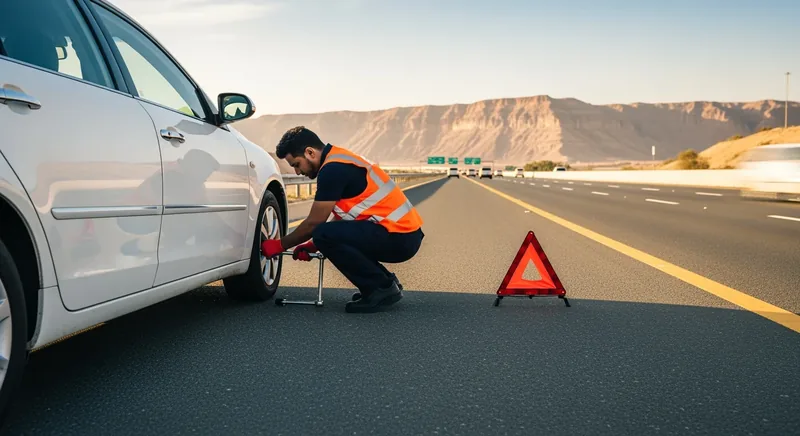
Desert pullout Car Recovery Dubai also coordinates with other emergency services if the situation involves an injury or a vehicle that cannot be moved safely. They have the equipment to recover heavy vehicles, including trucks and buses, which require specialised low-loaders and winching gear. Not every recovery company in Dubai is equipped for that kind of work, and trying to move a heavy truck with undersized gear is a recipe for disaster.
Final Thoughts on Desert Pullouts
Getting stuck in the desert is not a reflection of your driving skill. It happens to everyone who spends time off-road in the UAE. The difference between a minor delay and a major ordeal comes down to how you respond. Stay calm, call a professional recovery service, and do not make the situation worse by attempting risky pulls or walking long distances in the heat.
If you drive in Dubai long enough, you will eventually need a desert pullout. When that day comes, having a reliable service on speed dial and knowing what to expect can turn a stressful experience into a manageable one. The sand does not care how good a driver you are. It just sits there and waits for you to make a mistake. With the right preparation and the right help, that mistake does not have to ruin your day.